19 June 2026
Structural Geology Team Takes Petex Staff on Field Trip Along the Jurassic Coast
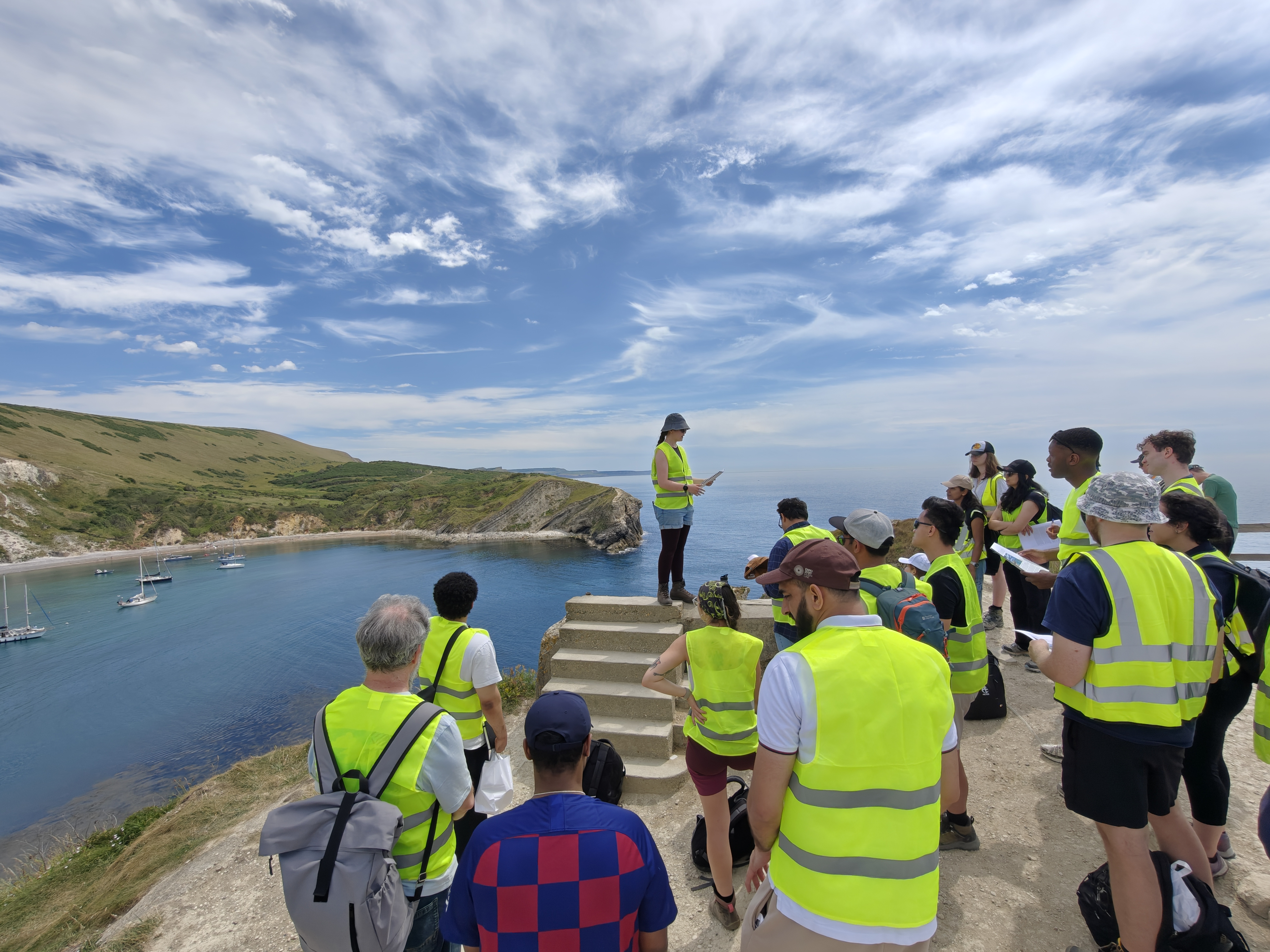
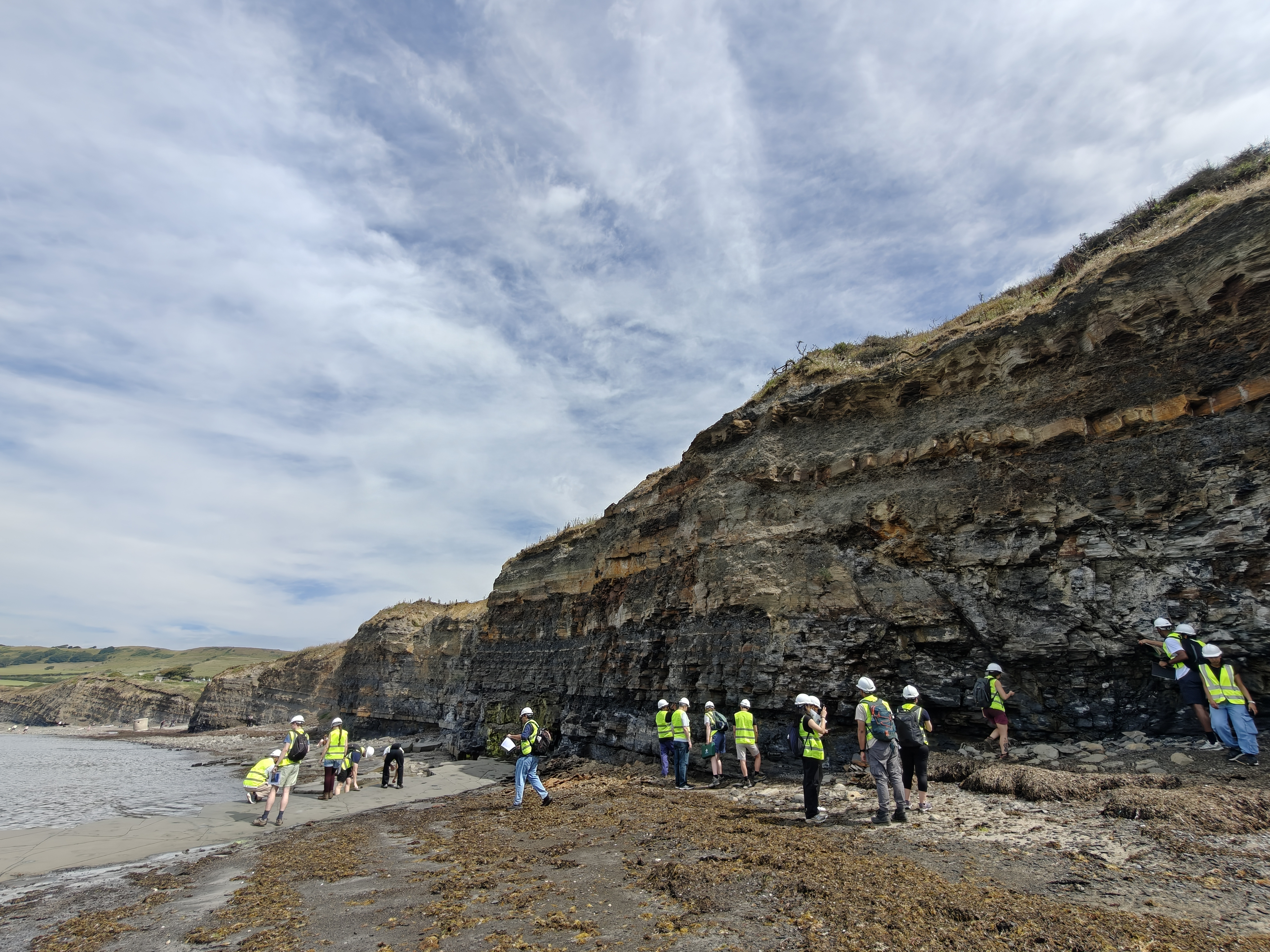
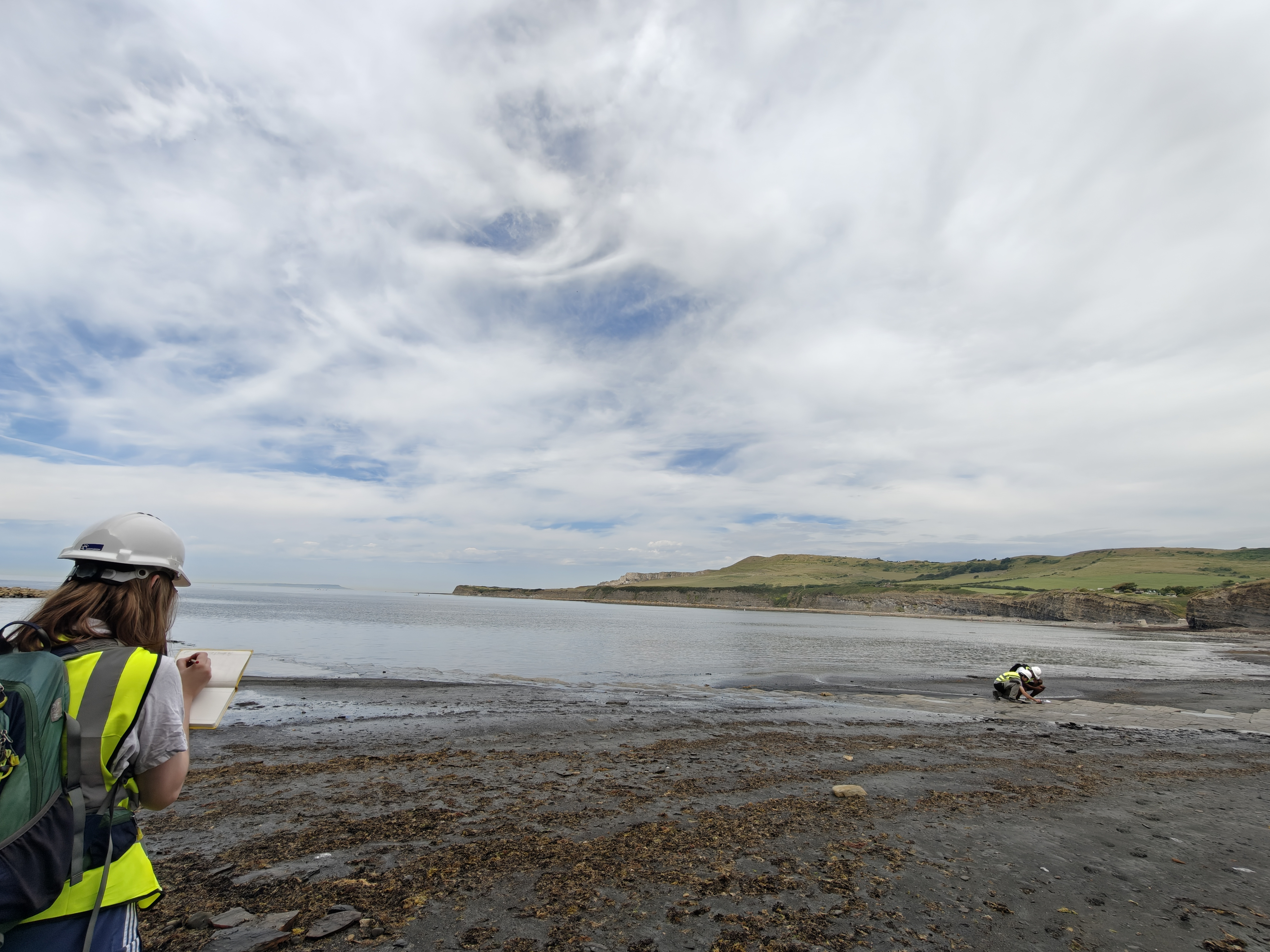
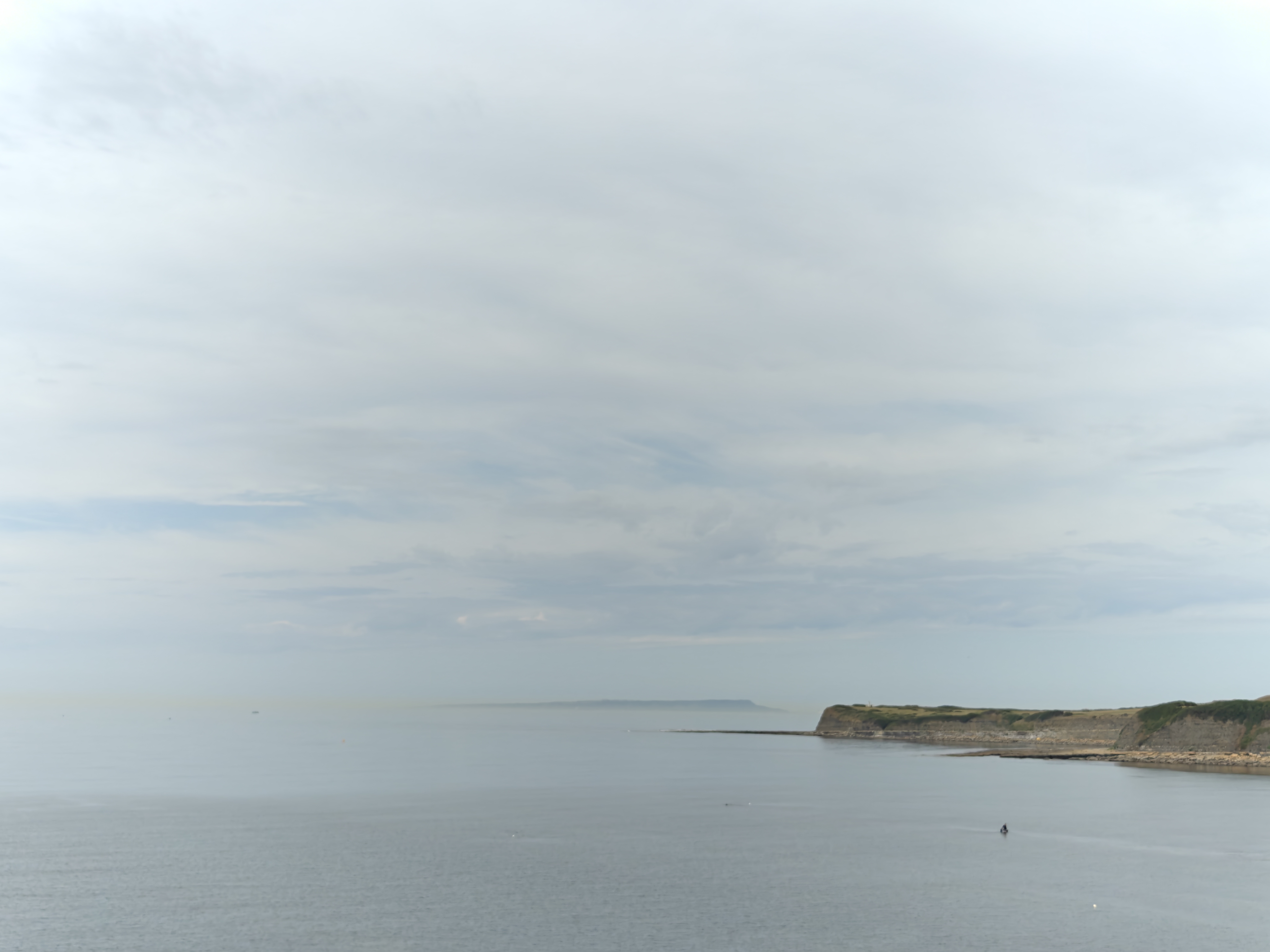
Dorset, UK — June 2026 — Staff from across Petex traded their desks for the cliffs of Dorset last month, joining a field trip led by the structural geology team to explore one of the world's most celebrated geological coastlines.
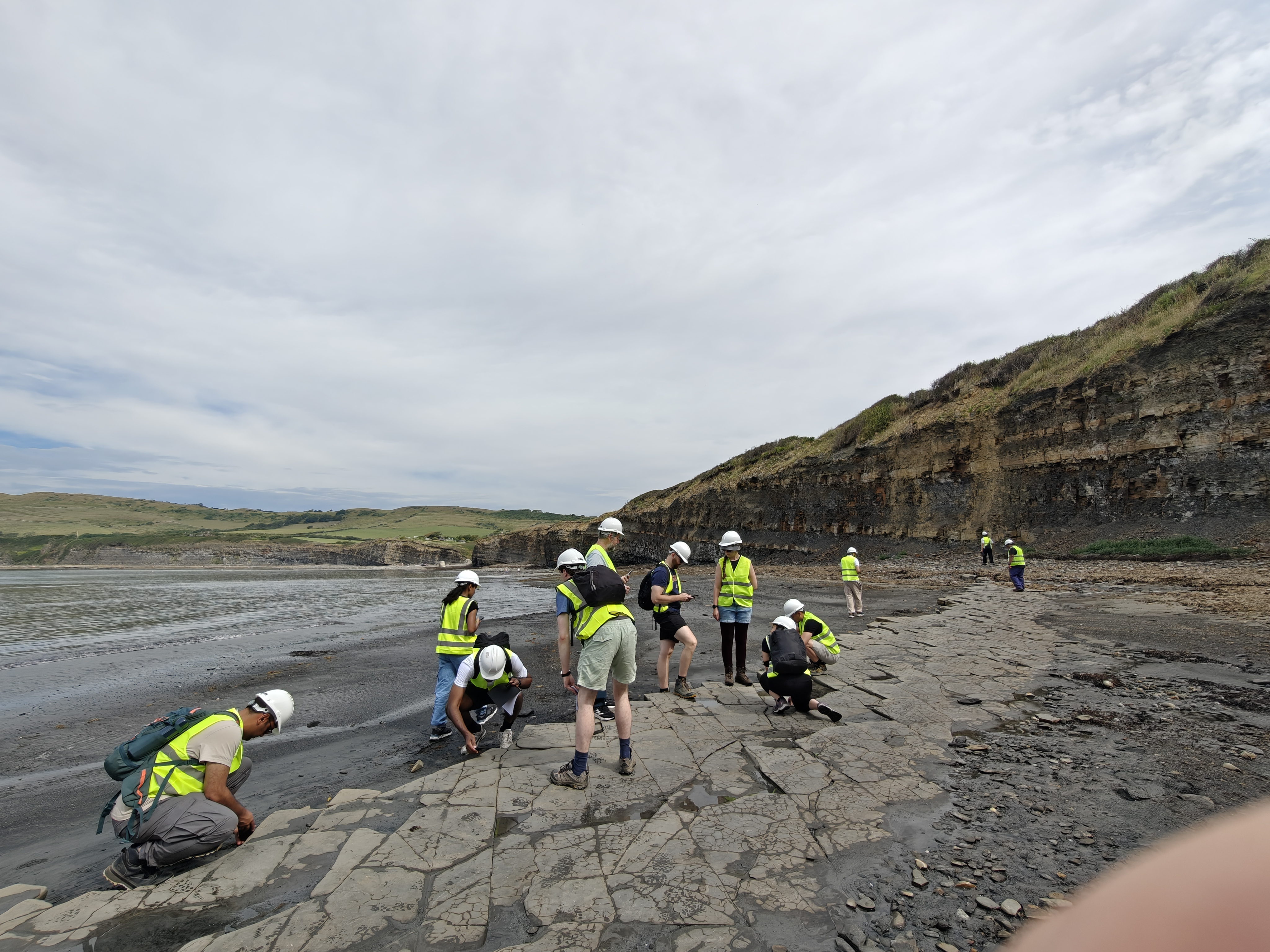
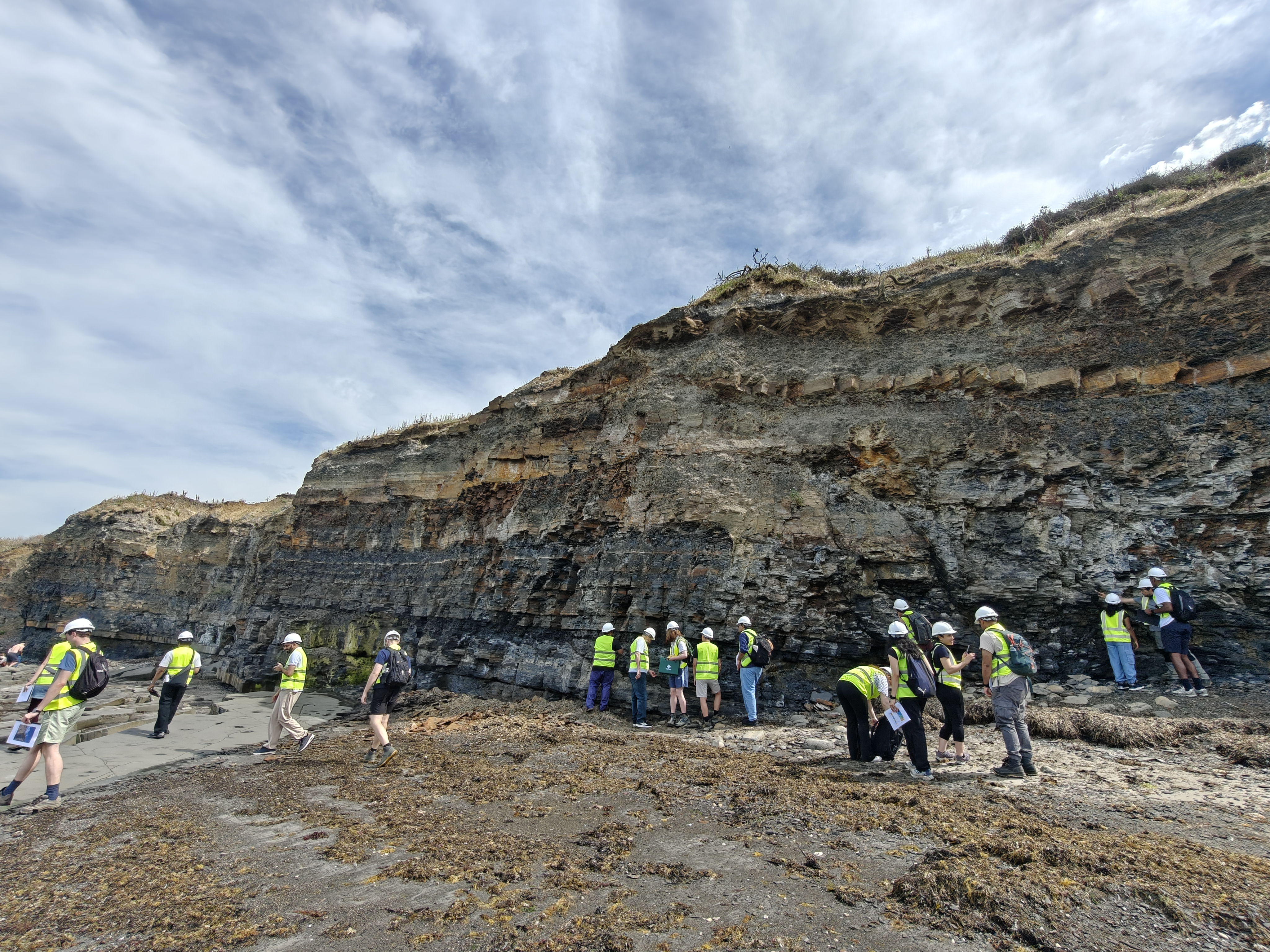
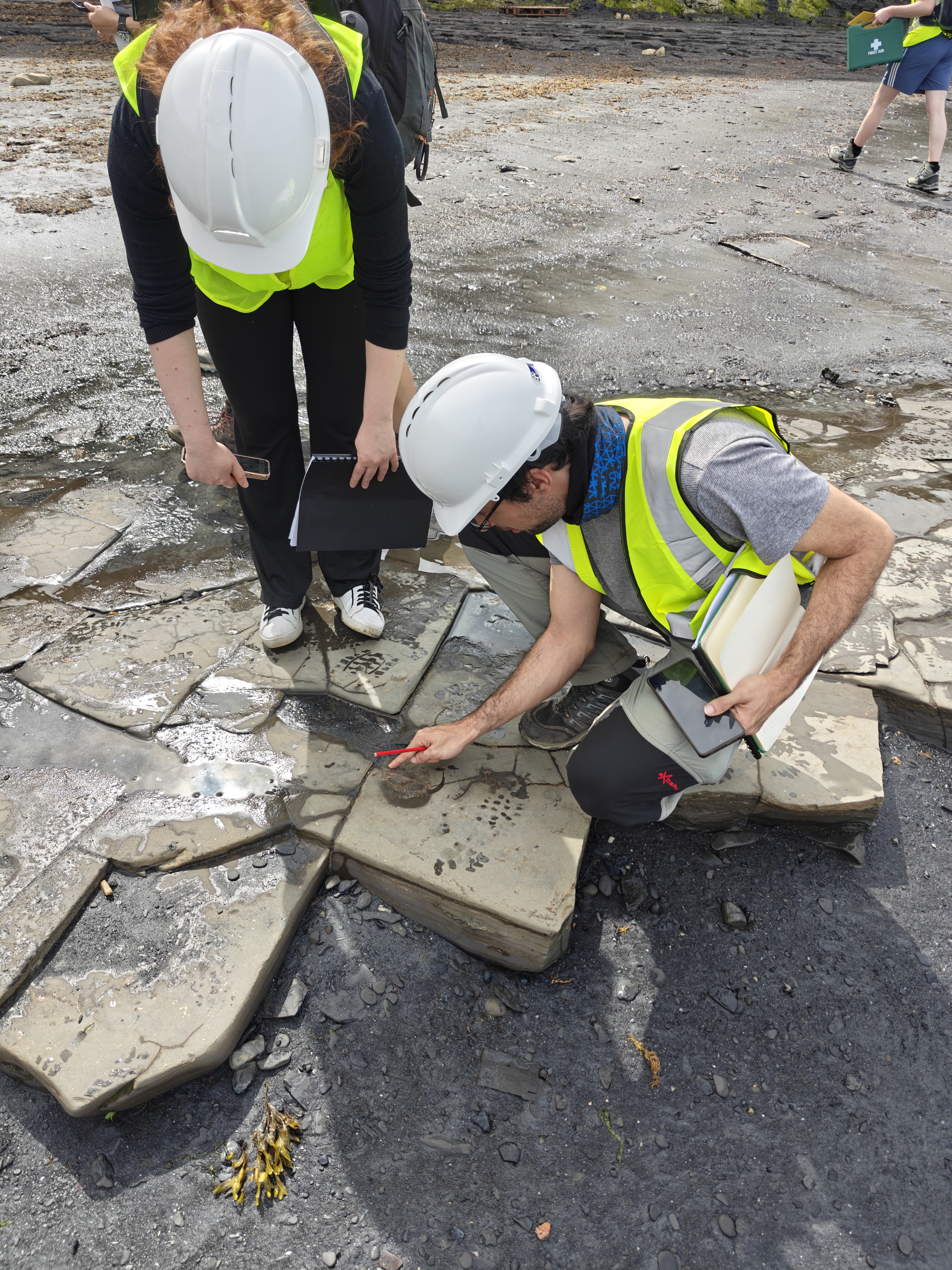
The trip brought colleagues from a range of departments together for a day in the field, tracing the story of the Wessex Basin through four contrasting stops: Kimmeridge Bay, Lulworth Cove, Durdle Door and Hive Beach. Alongside the fieldwork, the group used FieldMOVE Clino to capture bedding, fault, fracture, lithology and georeferenced observations — data that can feed directly into MOVE to build regional geological models back in the office.
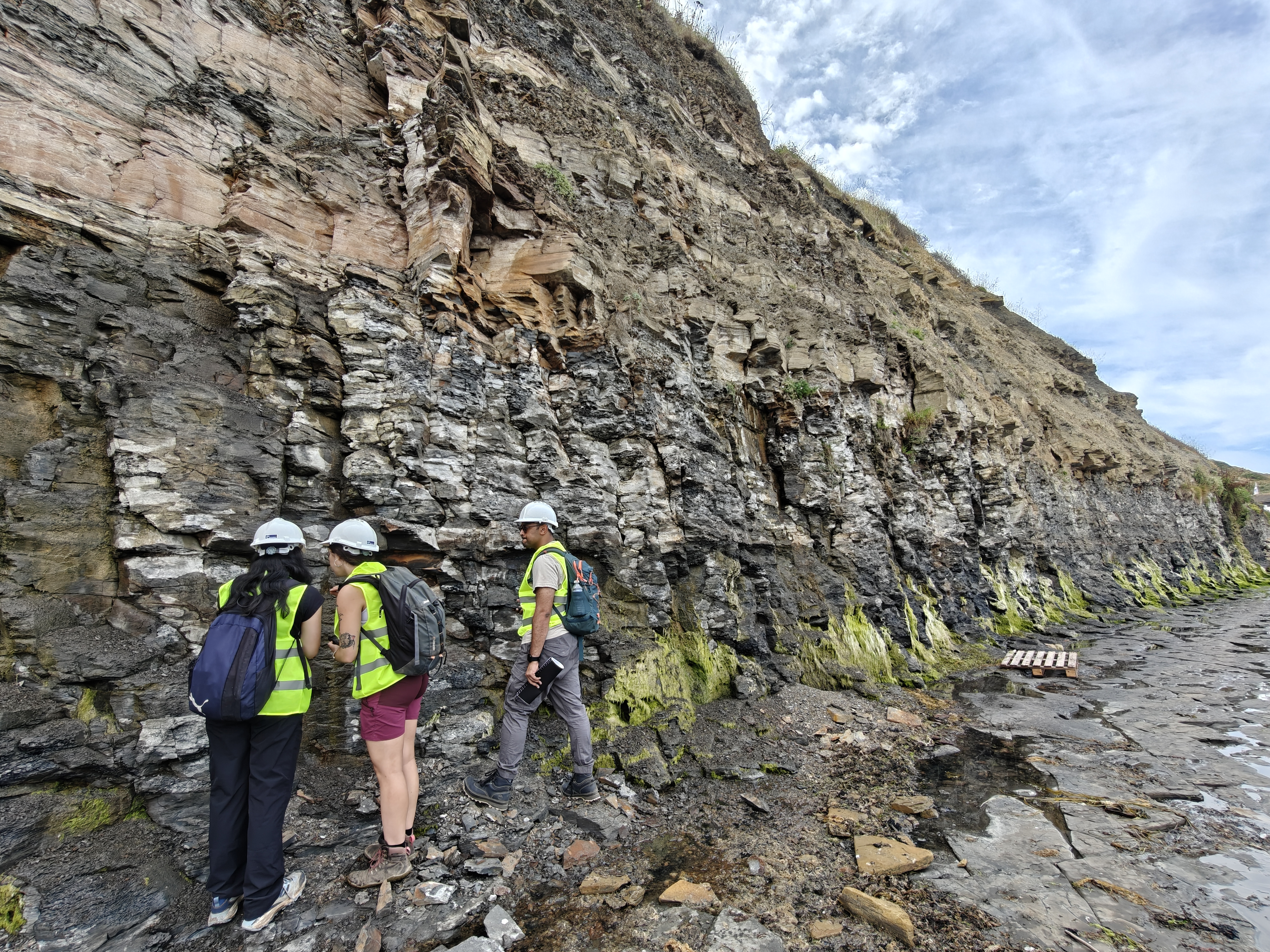
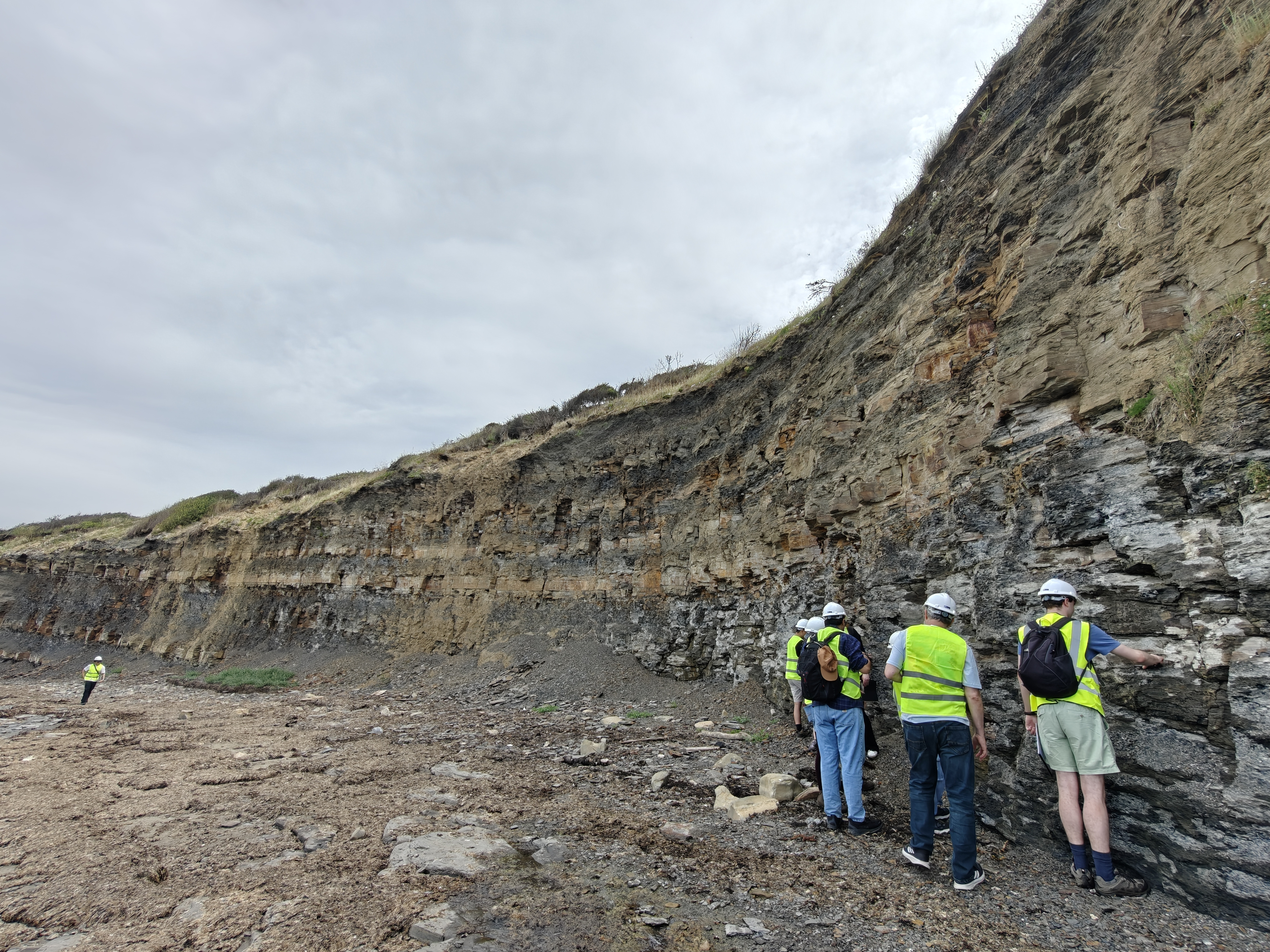
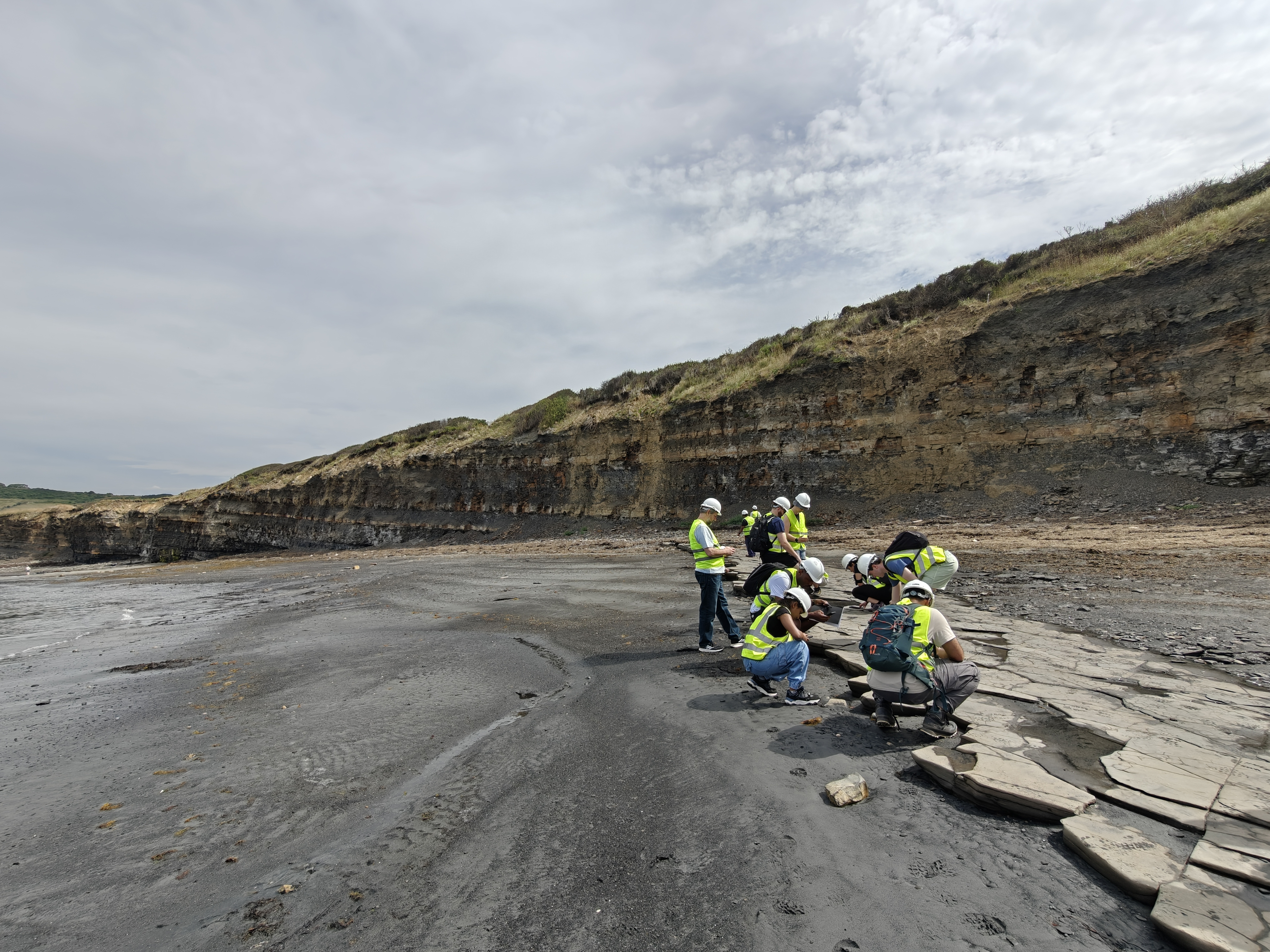
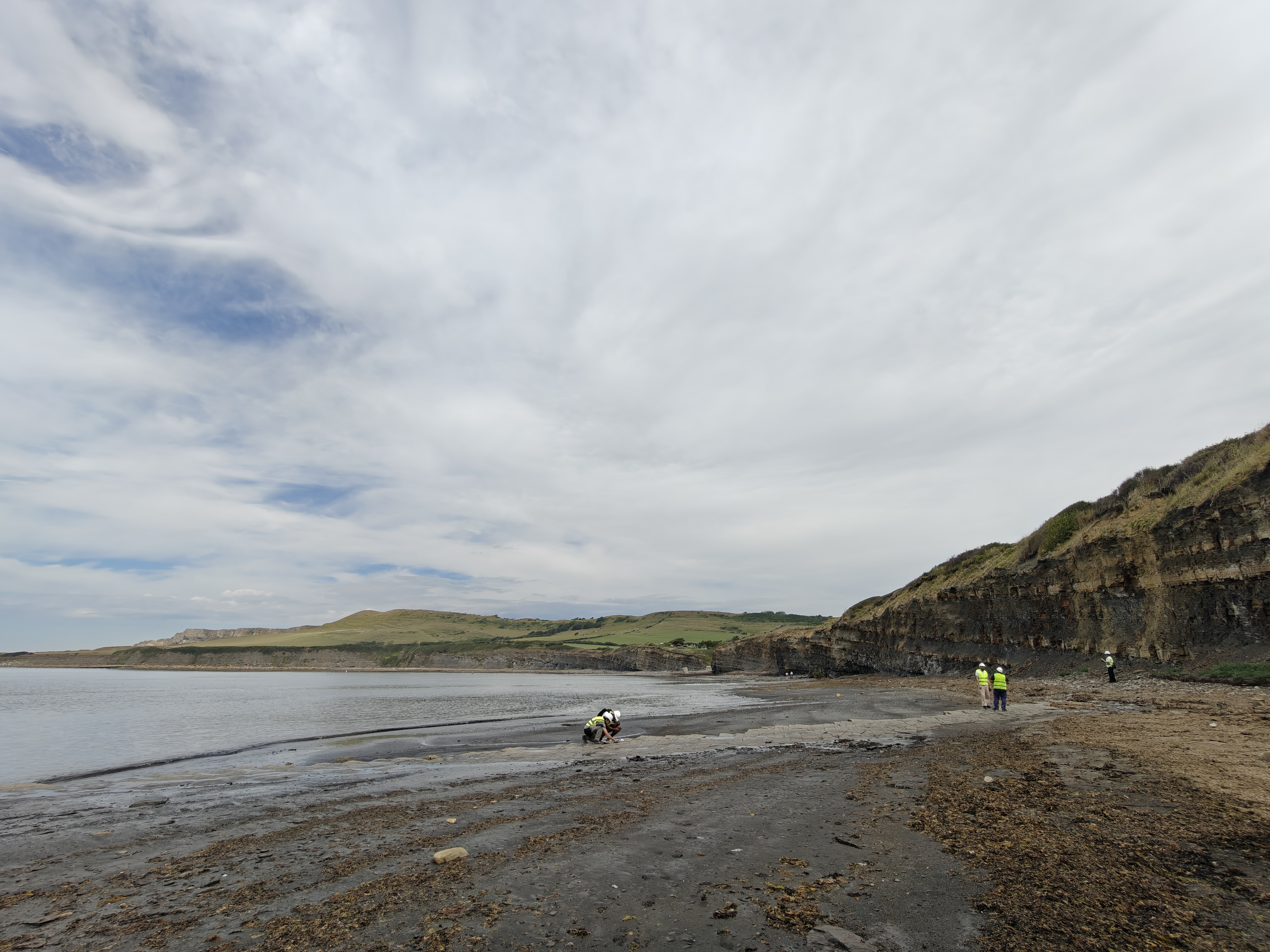
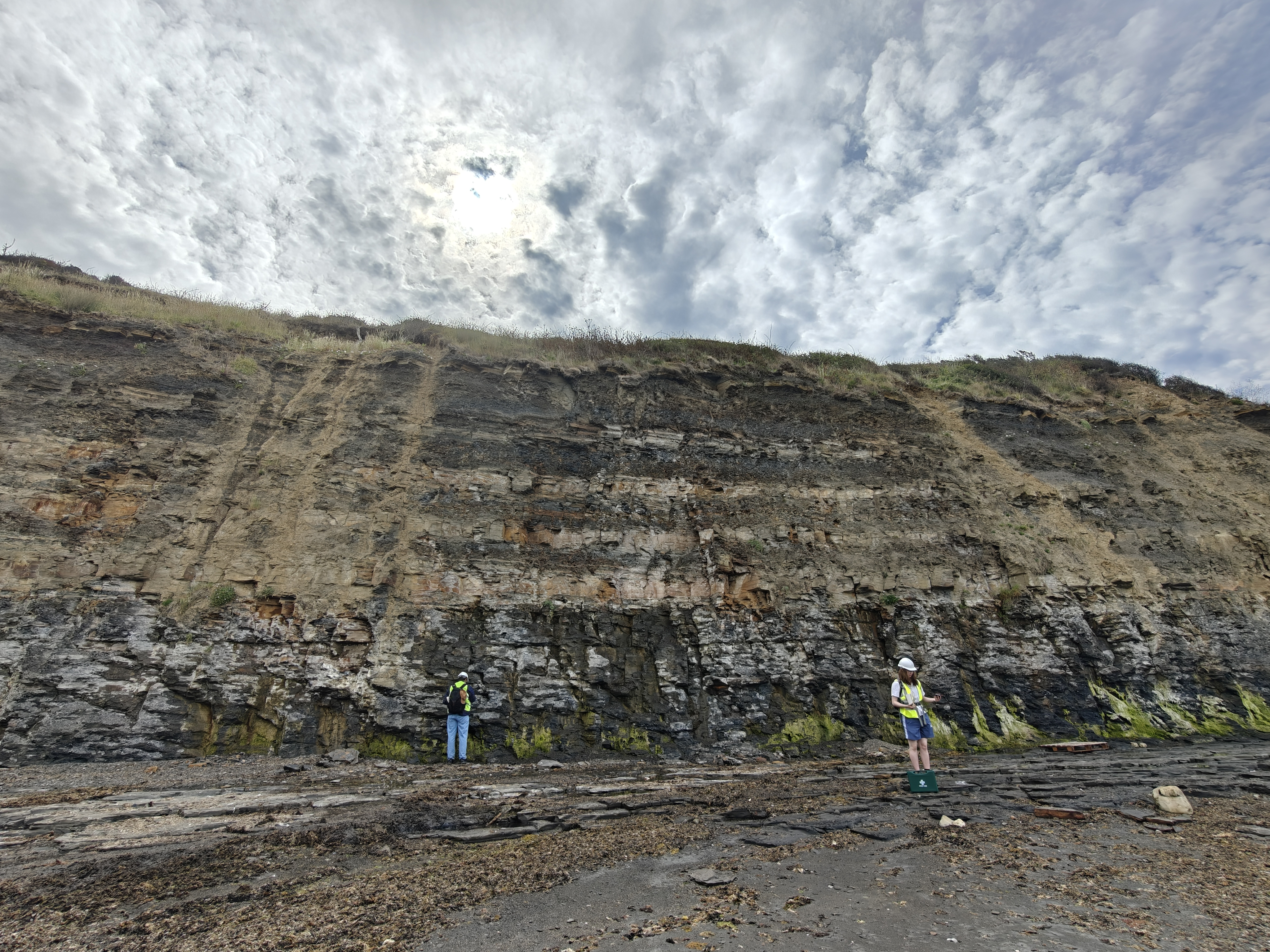
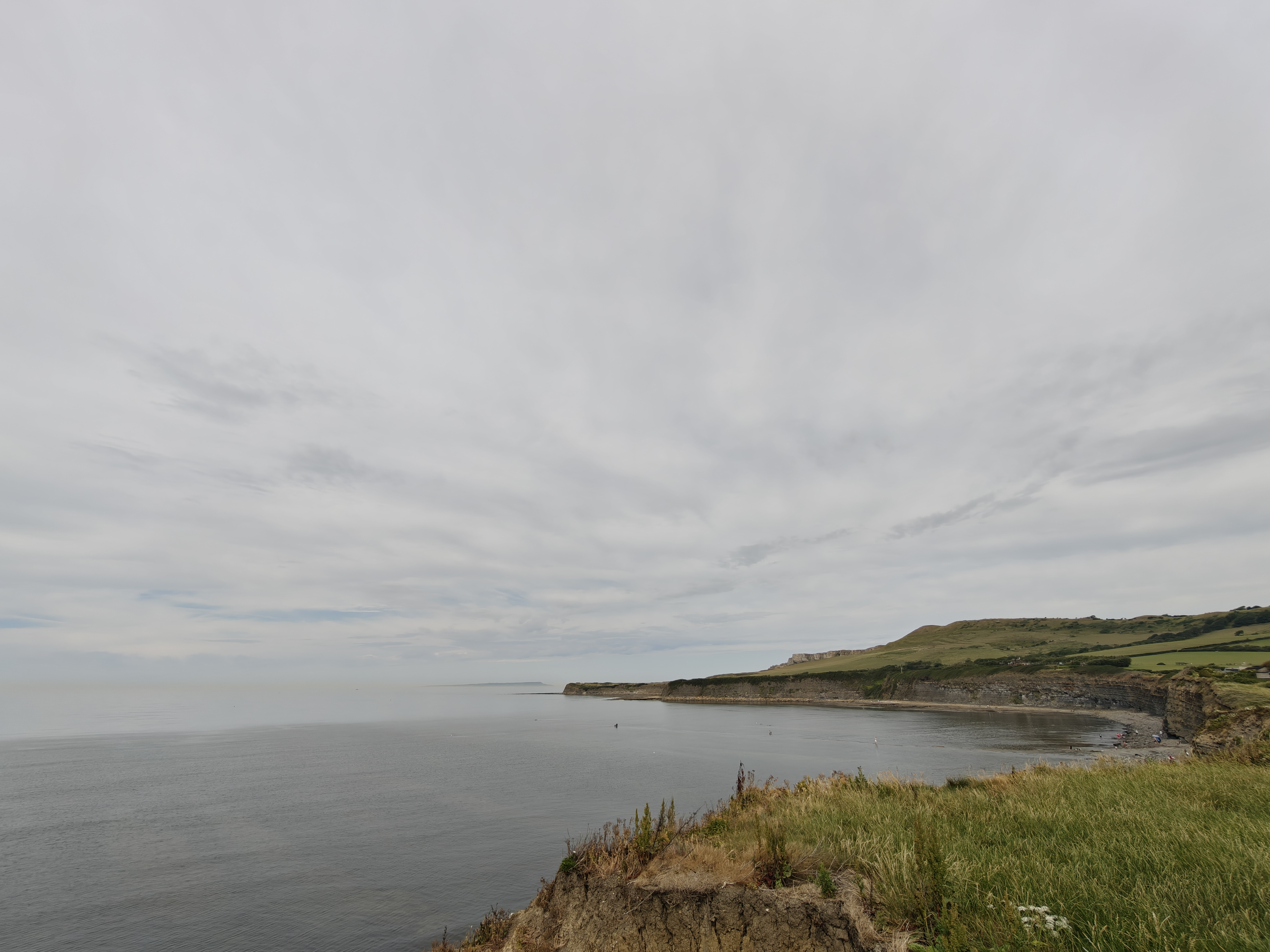
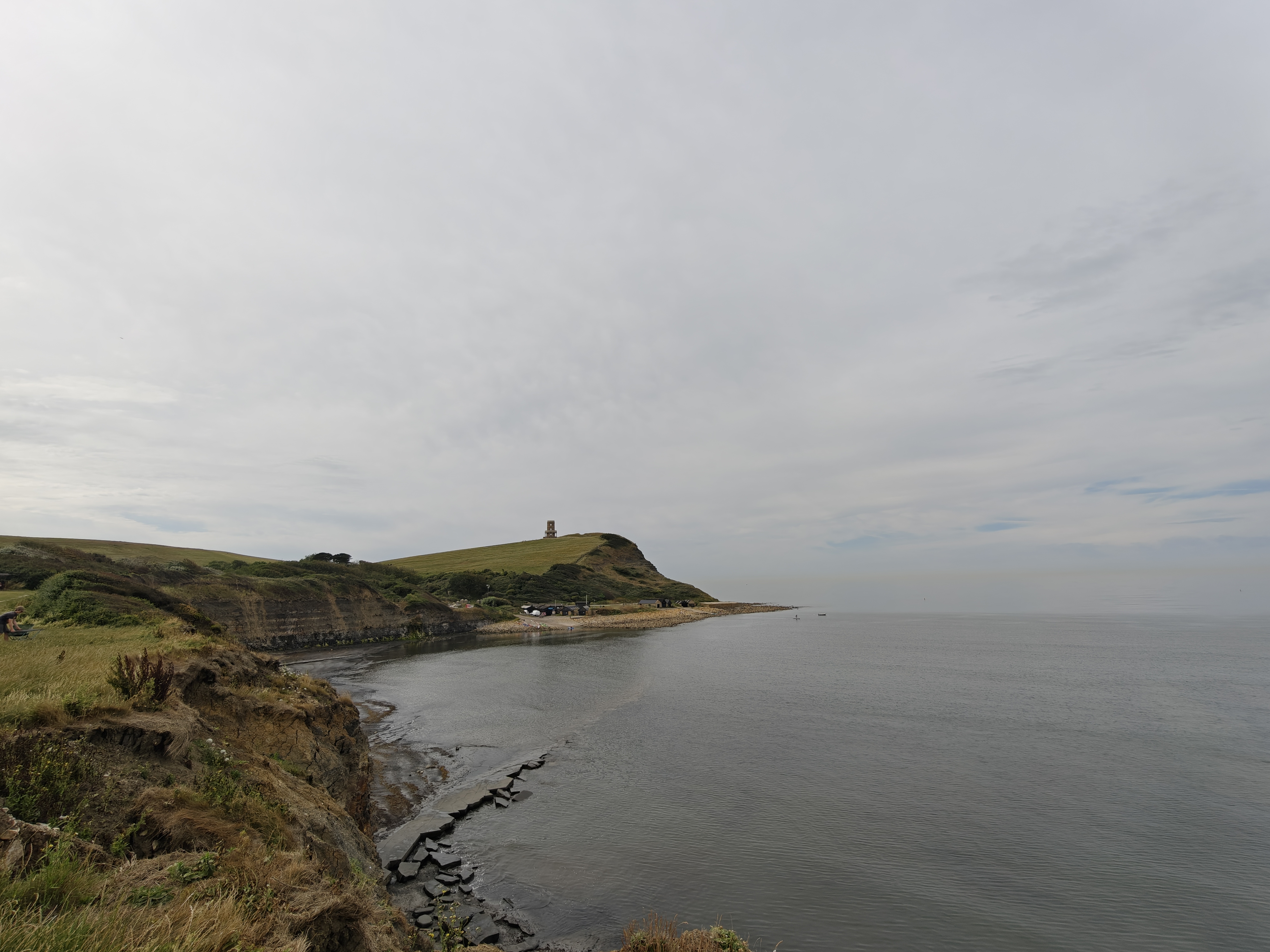
The day began at Kimmeridge Bay, where the dark, rhythmically bedded Kimmeridge Clay offered a textbook illustration of a working petroleum system's starting point. The outcrop shows how low-energy, restricted marine conditions and anoxic bottom waters allowed organic-rich mudstones to accumulate — rocks that went on to become one of the most important source intervals in northwest Europe, and a reminder that the cliffs are part of a much larger story of subsidence and basin evolution.
At Lulworth Cove, the geology turned architectural. Steeply tilted beds — from resistant Portland Limestone through weaker Purbeck, Wealden and Gault units up to the Chalk — showed how contrasting rock strengths shape a coastline over time. Nearby, Stair Hole and the Lulworth Crumple brought regional inversion and the Purbeck Monocline to life, with folded beds and localised strain visible directly in the cliff face.
A short walk along the coast, Durdle Door reinforced the same succession at a larger scale, making the idea of lateral continuity feel tangible rather than abstract. The famous arch is a striking example of marine erosion exploiting weaknesses in folded and fractured Portland Limestone — a process that is still ongoing, even if the landform looks permanent.
The final stop, Hive Beach, shifted the focus from source and structure to reservoir. The Bridport Sands exposed in the cliffs there offer a clear analogue for a shallow marine sandstone reservoir, with well-sorted, fine-grained sands and rhythmic cemented bands. The stop tied the day's observations back to the nearby Wytch Farm petroleum system, showing how depositional environment, structural tilting, seal presence and hydrocarbon remigration all come together in a working basin.
Latest News

Advancing Medical Research

Cash for Kids Mission Christmas Appeal

Distinguished Gentlemans and John Muir Way

Leith Academy interactive STEM project
UNICEF - Lebanon and Jordan

Inspiring Future Innovators – LAB22

£4.97M Petex software donation

A unified approach to cost-effective upstream operations

Libya Explores PETEX Technology for Oil Production
A Recap of Our Annual User Meeting 2026
King's Trust x Petex: A partnership for a better tomorrow

Strengthening The Technical Capacity of Libya’s Oil Industry
Our Guildford HQ opens its doors

Petex grant software for ESE students for 9th year in a row
Generous Software Donation from Petroleum Experts Ltd
Pe Limited covered a donation of MOVE software licences
Petroleum Experts (Petex) Limited donated software licences

UTT announcement

Lockdown Meals